

This or That: Ginger Steam Distilled vs Ginger CO2
Mar 12th 2026
Posted by Dr. Christoph Streicher and Chloe T.
Ginger is widely cherished for its aroma and natural therapeutic benefits, so widely cherished that Amrita Aromatherapy offers two different variations of this powerful Essential Oil.* Ginger Essential Oil and Ginger CO2 both offer impressive benefits, but they differ in extraction methods, aroma profiles, and uses, making them suitable for different applications.*
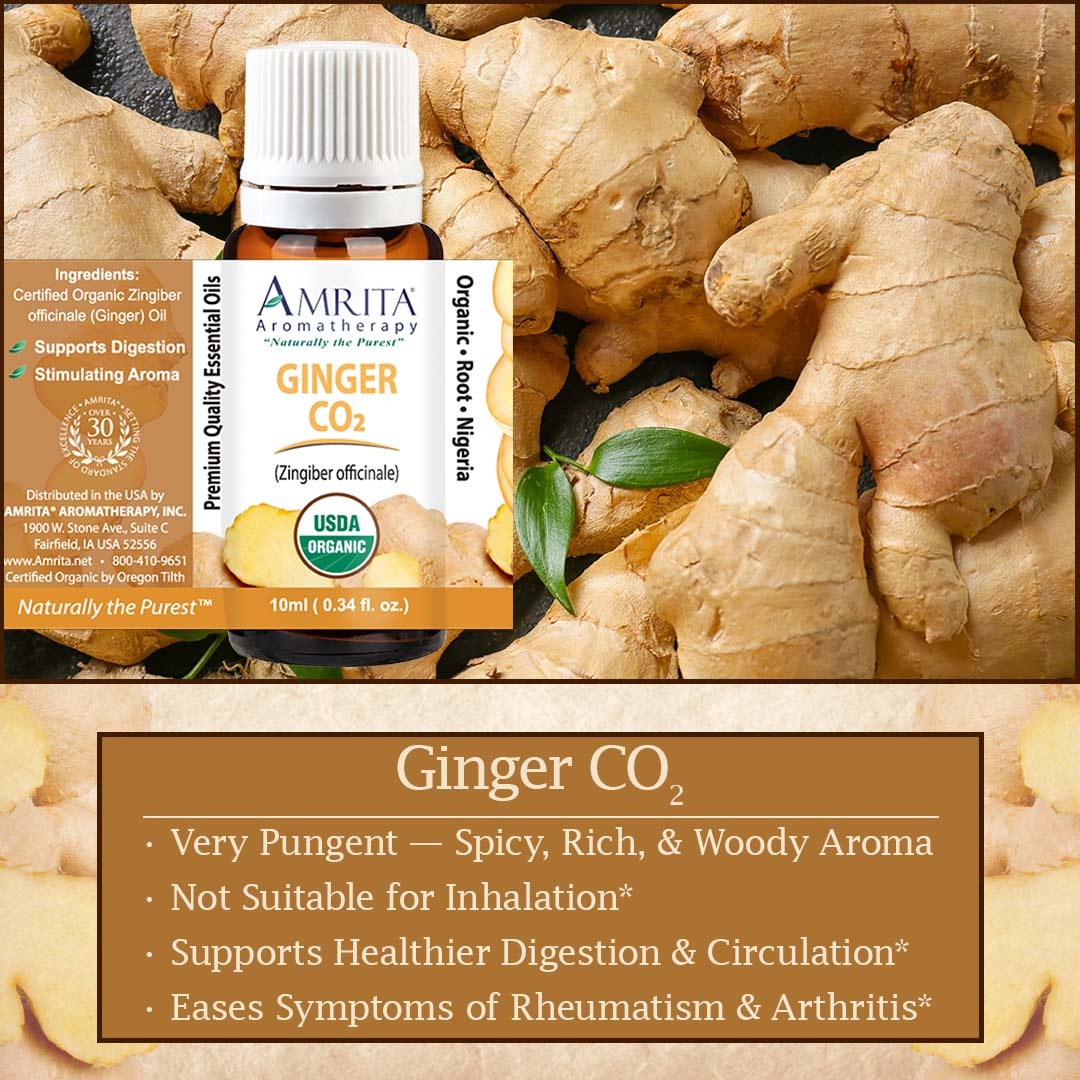
The key difference between these two Essential Oils lies in their extraction process. Ginger Essential Oil is produced through steam distillation, a traditional method that results in a lighter, fresher Essential Oil with a sweet, spicy aroma.* This Ginger Oil tends to have a more energetic and vibrant scent with a woodsy undertones, making it a great choice for general wellness and daily use.* In contrast, Ginger CO2 is extracted using CO2, a more modern method that preserves more of the plant’s natural benefits.* This process produces an Essential Oil with a deeper, richer, and more complex aroma that is warmer and more intense.* The scent of Ginger CO2 is closer to the true essence of fresh Ginger root, bringing a warm, spicy, and vibrant ambiance.* It’s often used in natural perfumes, where the complexity of its aroma adds depth and richness to Essential Oil blends.* Warning: the CO2 Extract contains compounds not found in the Steam Distilled Oil, that are very irritation. This is why caution is advised when using the CO2 Extract.
Exploring the Differences Between Ginger Varieties
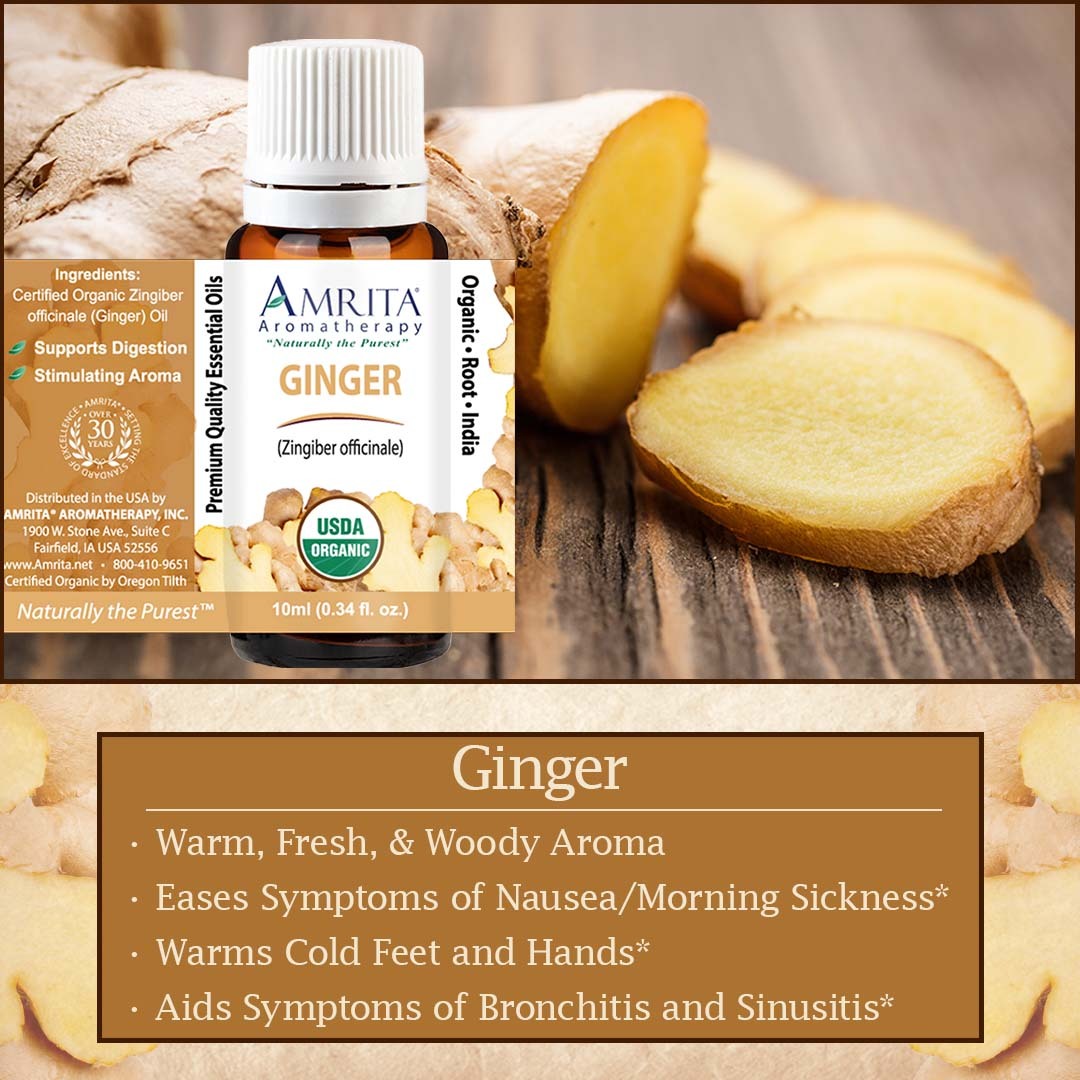
Both Ginger Essential Oil and Ginger CO2 offer a variety of therapeutic benefits, though their applications can differ based on their intensity and properties.* Ginger Essential Oil is particularly known for its respiratory and immune-boosting qualities as well as helping to relieve your coughs, colds, bronchitis, and sore throats.* Ginger can help soothe your sore muscles, rheumatism, and arthritis due to its warm and gentle touch.* The fresh, spicy aroma of Ginger Essential Oil can also help improve your mood, boost your confidence, and improve your motivation.* Its mild nature makes it ideal for personal care formulas, providing soothing effects without being overpowering.*
Ginger CO2, while similar in some of its therapeutic properties, is particularly notable for its ability to aid your digestion.* It is often used to relieve nausea, flatulence, and morning sickness, making it a go-to choice for supporting your digestive system.* This Ginger also helps with your circulation, helping to warm hands and feet suffering from poor circulation.* While it shares some of the same emotional benefits as Ginger Essential Oil, such as boosting your confidence and personal drive, its deeper, more robust aroma makes it more suitable for creating rich, warm atmospheres rather than for everyday applications.* The strength of Ginger CO2 can sometimes make it less appropriate for use in personal care formulations, as its potency can cause irritation.*
Ways to Use & Enjoy Each Ginger
When it comes to choosing the right Ginger Oil for your needs, it comes down to your preferences and intended use.* Ginger Essential Oil is an excellent choice if you’re looking for a milder, more versatile option to support your respiratory health, soothe your sore muscles, or boost your immune system.* It’s also perfect for adding a refreshing aroma to your personal care products.* Diffusion is the preferred method of using Ginger Essential Oil; however, making a topical blend is also a great way to receive Ginger and its benefits in a more direct way, especially for those dealing with tight muscles and symptoms of respiratory illnesses.*
On the other hand, Ginger CO2 stands out for its rich, complex fragrance and stronger therapeutic benefits, particularly for your digestion and circulation.* Ginger CO2 is ideal for more specific uses, like boosting antioxidants or for use in a natural perfume blend.* Due to the potent, robust aroma of Ginger CO2 and it’s higher viscosity than that of Ginger Essential Oil, Diffusion is not recommended; instead, topical blends are better suited for its wide array of benefits. Both Essential Oils offer incredible therapeutic value but, understanding their distinct characteristics can help you select the one that best suits your wellness needs.*
Here are a few DIY recipes for you to try:
 |
 |
|
 |
 |
-
Final Thoughts from Dr. Streicher and Amrita’s Experts
Overall, both Ginger Essential Oil and Ginger CO2 offer remarkable benefits, each shining in its own way depending on the desired application. Ginger Essential Oil is lighter, more versatile, and well suited for daily wellness routines, respiratory support, and gentle personal care, while Ginger CO2 delivers a richer aroma and more concentrated properties ideal for targeted digestive support, circulation, and sophisticated aromatic blends.* By understanding the differences in extraction, aroma, and potency, you can more intentionally choose the Ginger Oil that aligns with your wellness goals — whether you’re seeking everyday balance and vitality or a deeper, more warming and restorative experience.*
*These statements have not been evaluated by the Food and Drug Administration. These products are not intended to diagnose, treat, cure, or prevent any disease.