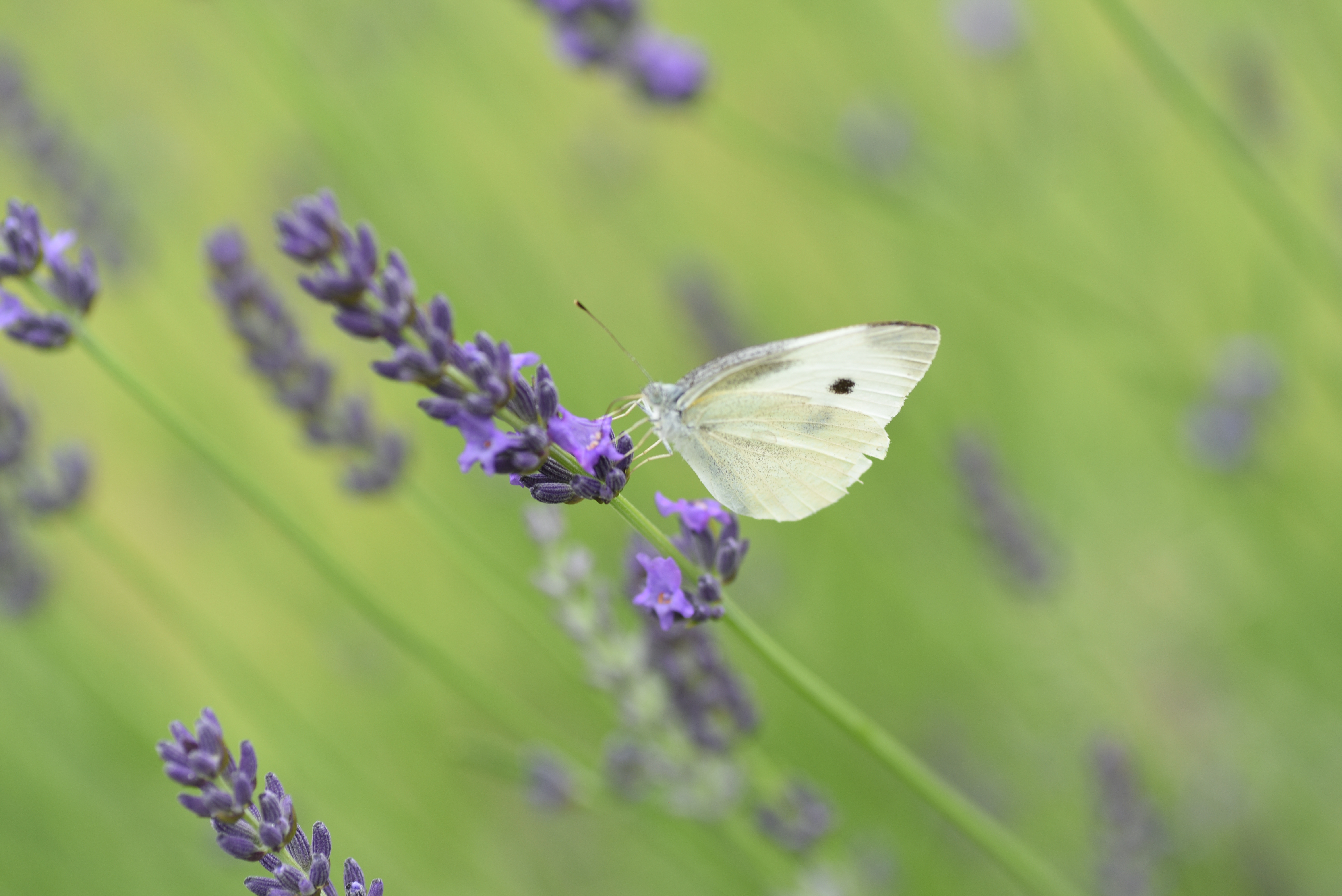
A walk in nature, walks the soul back home.” by Mary Davis.
Let’s take a walk through the Lavender fields together. Lavender is known throughout the world for its calming, exquisite, and heavenly aroma. While Lavender is widely known as the cornerstone of essential oils…
How do you select the best variety for you?
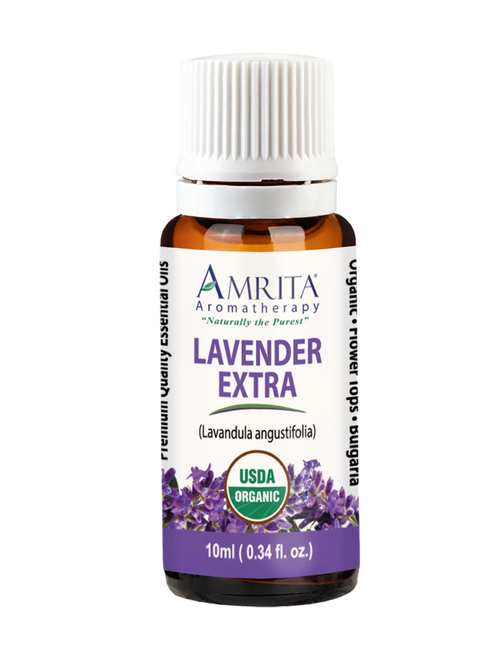
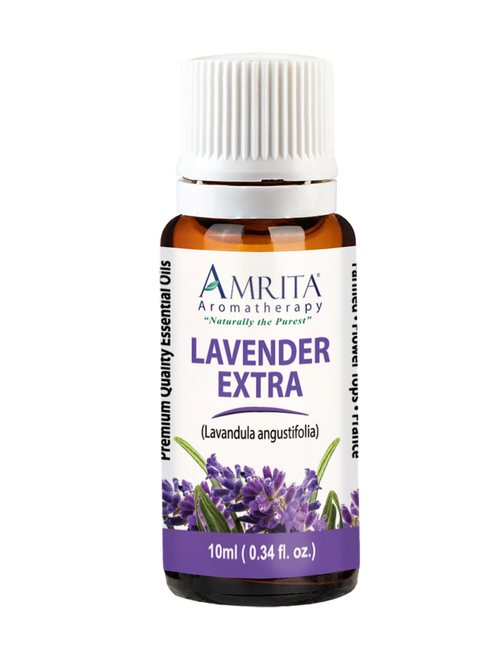
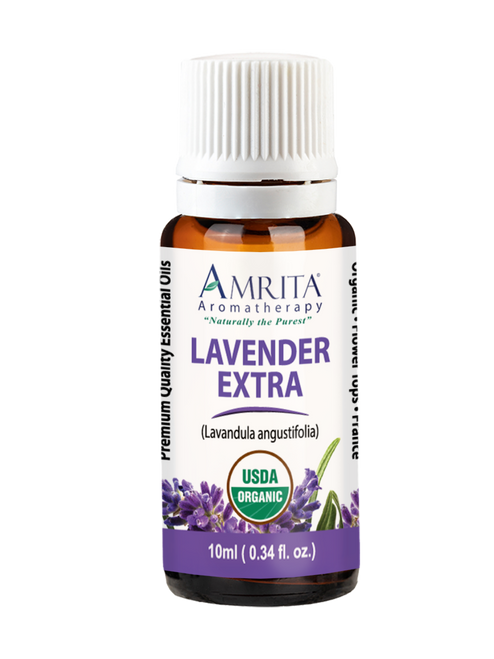
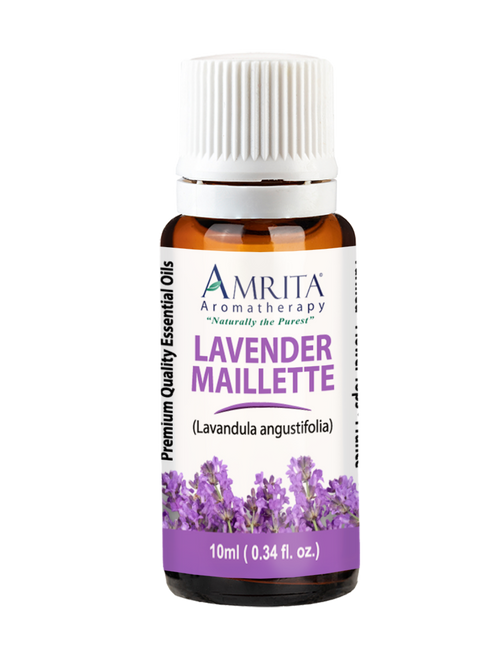
Amrita® Aromatherapy’s Lavender Essential Oils all have the wide range of benefits, and that makes each variety slightly different. Dr. Streicher has personally selected 6 varieties of Lavender: Wildcrafted French, Bulagrian, French, Maillette, Spike, and Stoechas. With Dr. Streicher’s help, the Amrita® experts are here to help you decide which Lavender is best for you!
-
Why would you use Lavender in your daily life?
Lavandula angustifolia is emotionally calming and relaxing. It’s highly regarded for its ability to calm the Nervous System as well as regenerate skin. When it comes to stress, panic attacks, headaches, anxiety, insomnia, skin irritations, cuts, burns, bruises, scarring, stretch marks, cell regeneration, respiratory support, asthma – or even if you need a natural hand sanitizer – Lavender can help. It kills germs that cause sinus and lung infections, cough, and colds. It’s antibacterial, antiviral, antiseptic, and analgesic properties make it a remedy for almost anything, including household purification and bathing. In a massage oil, Lavender helps relieve menstrual cramps, muscular pain, rheumatism, high blood pressure, fatigue, depression, and sunburns. It helps repels insects and can be used on insect bites. Its sweet, floral aroma makes it popular for use in perfume and cosmetics. When you add Lavender to a carrier oil, it is very warming and moisturizing.
-
What Makes Lavenders Different From Each Other?
There are 4 areas that can affect each species of lavender: botanical species, origin and altitude where grown (which affects molecular composition), growing/farming methods (organic, wildcrafted, non-organic, synthetic), and method of extraction.
Each Lavender Essential Oil is made from the flower tops are the main part of the plant regardless of the species. Wildcrafted oils are made from plants that are grown and then collected in the wild in their native climate and habitat. Many people consider these oils to be the most potent. The natural vitality and life force of wild plants are reflected in the chemical composition of their essential oils, making them exceptionally well suited for aroma-therapeutic applications.
France is still considered to be the premier growing region. The main chemical components of Lavender Oil are: alpha-pinene, limonene, 1.8-cineole, cis-ocimene, trans-ocimene, 3-octanone, camphor, linalool, linalyl acetate, beta caryophyllene, terpinene-4-ol and lavandulyl acetate. The amount of each of these affects the benefits.
What gives Lavender its healing quality? Lavenders are well known for having a high linalool, a monoterpenol, content. What makes Lavandula angustifolia different is that it contains a high percentage of esters, particularly linalyl acetate. This monoterpenol-ester synergy is what characterizes Lavandula angustifolia.
Lavender is known for being pain relieving, but that is just the tip of the iceberg. Lavender has the following properties: Analgesic, Antibacterial, Anticonvulsant, Antidepressant, Antiviral, Anti-Inflammatory, Antiseptic, Antimicrobial, Antispasmodic, Aromatic, Carminative, Cell-Rejuvenating, Cholagogue (bile promoting), Deodorant, Diuretic, Emmenagogue, Insecticide, Nervine, Sedative, Stimulant, Stomachic, and Vulnerary.

-
Let's Talk About Each Type
Wildcrafted French Lavender: Organic
• Gold standard of Lavenders.
It is hand harvested in the very high altitudes of Provence and is distilled by French master distillers. It’s not available every year, and Amrita® buys it only when the particular harvest is above and beyond any other lavender production. The aroma, vibration, and prana are closest to true lavender plants grown in their wild, natural environment.
Bulgarian Lavender: Conventional and Organic
• Dr. Streicher recommends this variety when price matters.
From a price point of view, Bulgarian Lavender is the Lavender of choice. However, it needs to be very carefully selected, as Bulgarian Lavender is often too harsh. When Amrita® Aromatherapy searches for Bulgarian Lavender, the finest lots are always selected among a number of available lots. Available in both conventional and organic versions.
French Lavender: Conventional and Organic
• The gold standard of Lavenders - most popular (but not because of the price).
French Lavender harvested from higher altitudes is the gold standard of Lavenders and is the most popular essential oil in aromatherapy. Beware, French Lavender is among the most frequently adulterated essential oils; thus, buy only from a tested and trusted source. The companies in Grasse, France, the world capital of perfumery, create every year 8 metric tons of so called "French Lavender" by the use of a synthetic fragrance compounds.
Amrita® Aromatherapy's French Lavender comes from three different master distillers in the South of France. Every year, we select the best for you. Available in both conventional and organic versions.

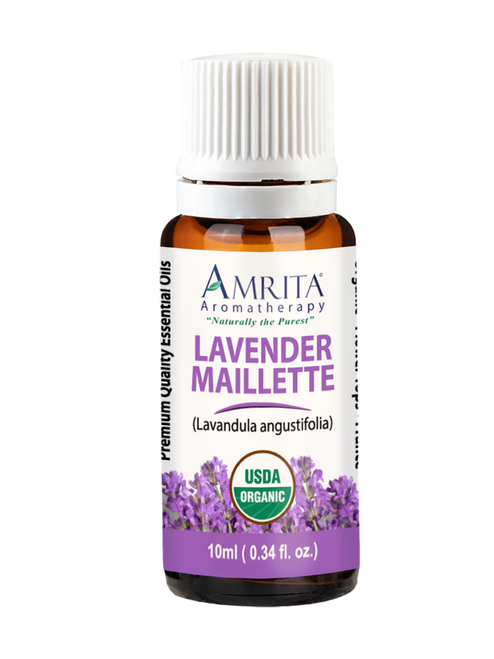
Lavender Maillette: Conventional and Organic
• Popular for facial water due to its genetic make-up.
It’s a clone. All parts of this plant have the same genetic make-up. Romans added Lavender to their bath water as much for its scent as for its antiseptic quality. Lavender Maillette has a very fine aroma and is preferred for natural perfume because of its sweet, soft aroma (due to its high content of linalyl acetate).
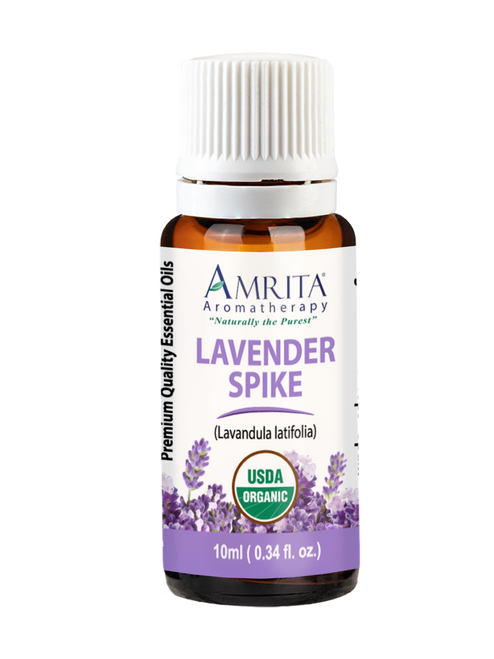
Available in both conventional and organic versionsSpike Lavender: Organic
• Best for sleep, after-workout massages and insect repellent.
Known as Spanish Lavender. It’s grown in hotter climates which results in a species containing more Camphor, making the oil more warming than regular Lavender. It is clearer, warmer, and fresher aroma. This Lavender is best for colds, respiratory ailments, joint pain, headaches and painful menses due to Camphor content.
Lavender Stoechas: Organic • Unlike other Lavenders that are calming, this one is stimulating.
Lavender Stoechas has a herbal, medicinal smell that’s not as floral. It has respiratory-soothing, detoxifying and warming properties. Lavender Stoechas helps stimulate circulation and the immune system, is mucous solving and excellent for respiratory infections, including colds and flu.
Did you know it is helpful for overcoming infections? It’s an unusual Lavender that’s different from other Lavender species because it stimulates the Circulatory System. It complements Rosemary; however, it’s softer than stimulating oils like Rosemary and Eucalyptus, bringing out the best of both – stimulation and the healing properties of common Lavender.
-
Did you know that Lavender does have a hybrid cousin?
This is known as Lavandin!
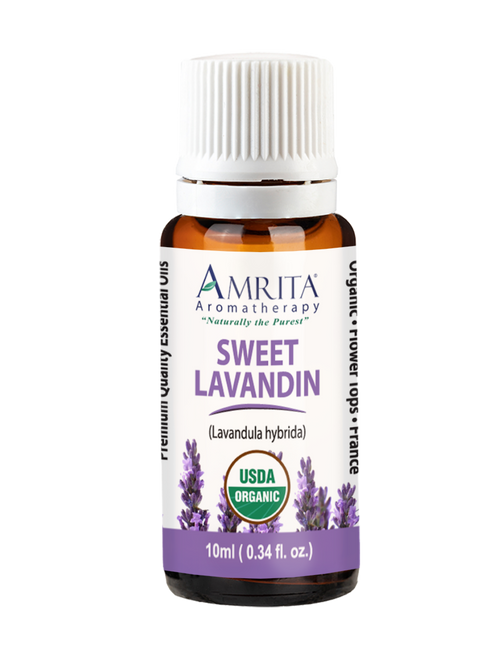
Sweet Lavandin: Organic
• Cream of the crop in the Lavandin world.
This essential oil can replace Lavender in many instances. This is because it is a hybrid of the flowering tops from Lavandula angustifolia (True Lavender) and Spike Lavender. It can be grown more easily than true Lavender, and the yield of essential oil is larger; thus, it’s less expensive. However, it has different chemical and therapeutic properties than true Lavender, and the two should not be used interchangeably.
It is sharper, more piercing, longer lasting aroma. Often used in perfumes, cosmetics, soaps, and lotions. Sweet Lavandin has calming, antiseptic, antifungal, and antibacterial properties.
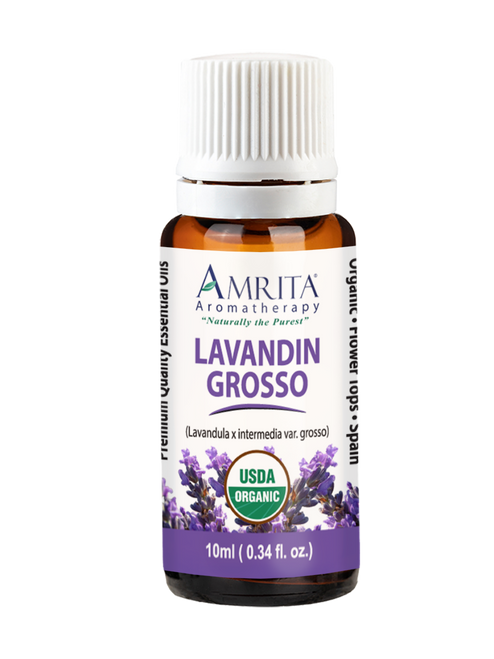
Lavandin Grosso: Organic
• Strong smelling hybrid most commonly used in perfumery.
Plays second fiddle to Sweet Lavandin, but still a good choice for its stress-reducing, respiratory soothing and antidepressant properties as well as for its ability to help ease symptoms of insomnia, headaches, migraines and low self confidence. Very helpful for joint pain, sore muscles, and painful menses when massaged into the skin. Can also help fight coughs, colds, flu, and clogged sinuses. NOT FOR BURNS, but may be helpful for bruises, acne, and other skin diseases.

-
More Bountiful Benefits and Facts About Lavender
Due to its pleasing scent and wide range of therapeutic benefits, Lavender Oil is the most popular oil in aromatherapy! Lavender’s botanical name is Lavandula angustifolia, but it is also call called Lavandula officinalis or Lavendula vera.
Brief History: A French chemist named Rene-Maurice Gattefosse became the poster child of Lavender Essential Oil in the early 1900s when he burned his hand in a lab explosion. He healed the gangrene that resulted from the burn with Lavender Essential Oil. As a result, Lavender Oil has been researched and studied ever since. Gattefosse also created the term “Aromatherapy”, which is still used today. Lavender has been around for thousands of years, and its use has been recorded in the ancient civilizations of the Phoenicians, Sumerians, Egyptians, Chinese, Indians, Greeks, and Romans. The name comes from Latin “lavare”, which means “to wash”.
Lavender is grown all over the world – Europe, India, Australia, and the United States. There are over 200 types growing in different altitude and latitude; this affects the fragrance and chemistry of each Lavender. The higher the altitude at which Lavender is grown, the more esters the Lavender will contain. Since these esters are what give Lavender (Lavandula angustifolia) its sought after soothing properties, these higher altitude Lavenders are particularly coveted. Harvesting Lavender at higher elevation is more difficult, which also makes these oils more expensive. Lavender from more southern regions with hotter climates, tend to be less soothing.
-
What should you to be on the lookout for as a fake or impostor Lavender?
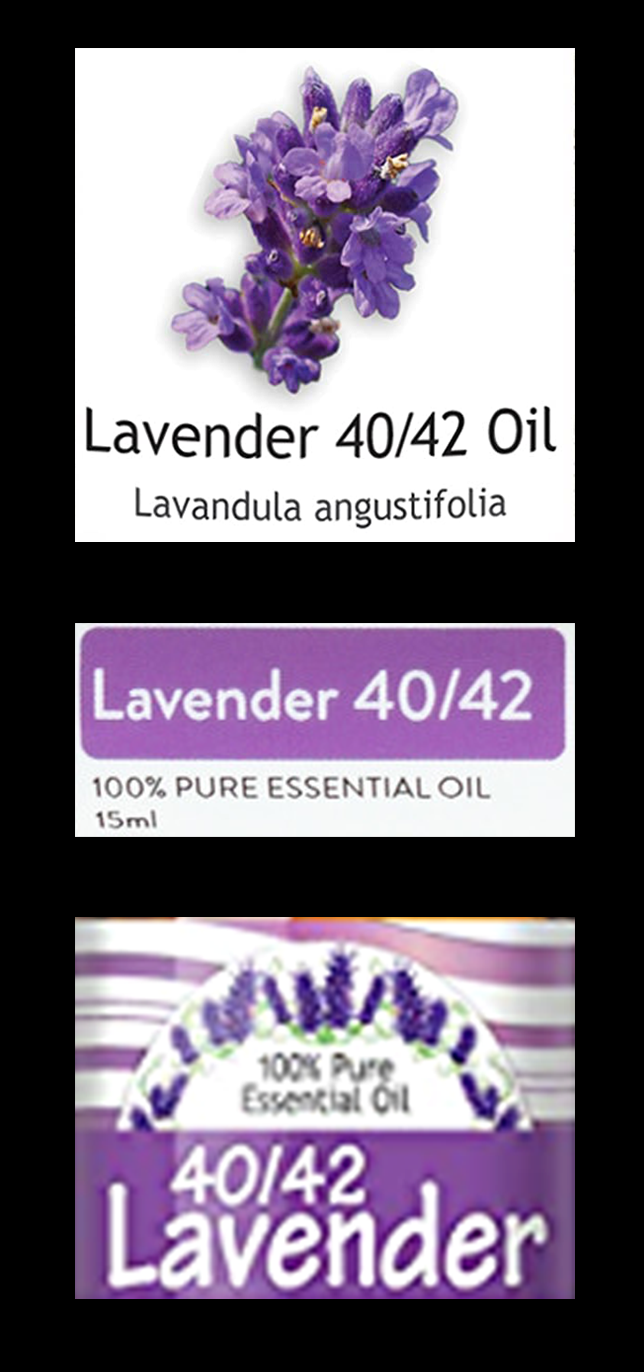
Lavender 40/42
This is known as the standard for SYNTHETIC Lavender! Whether it’s called Lavender 40, 42, or whatnot, this Lavender, unfortunately, has heavily penetrated the Lavender market. Natural Lavender has a maximum or 38% lavandulyl acetate (only exception is Lavender Maillette), and the total of lavandulyl acetate plus linalool is never higher than 70% in natural Lavender.Amrita® Aromatherapy does not advise the use of synthetic essential oils EVER – not on candles, not in soaps, and not anywhere else!
The following is an advertising blurb which dilutes the public as it’s a mix of truth and myths: “Lavender 40/42 is made up of 100% natural Lavender oils blended to produce an oil containing 40% linalool and 42% linalyl acetate, which are the two primary aroma compounds in Lavender. This is done to create a standardized Lavender aroma, which presents a minimum of variation between batches. The scent of Lavender Oil can vary tremendously due to growing conditions and distillation processes. Therefore, many manufacturers count on the reliably consistent aroma of Lavender 40/42. This oil can be natural or synthetic and is not recommended for aromatherapy purposes. However, it’s a wonderful oil to use if you want a finished product to smell the same every time it’s made. You will always have the perfect smelling candle, soap, or aroma blend!”